
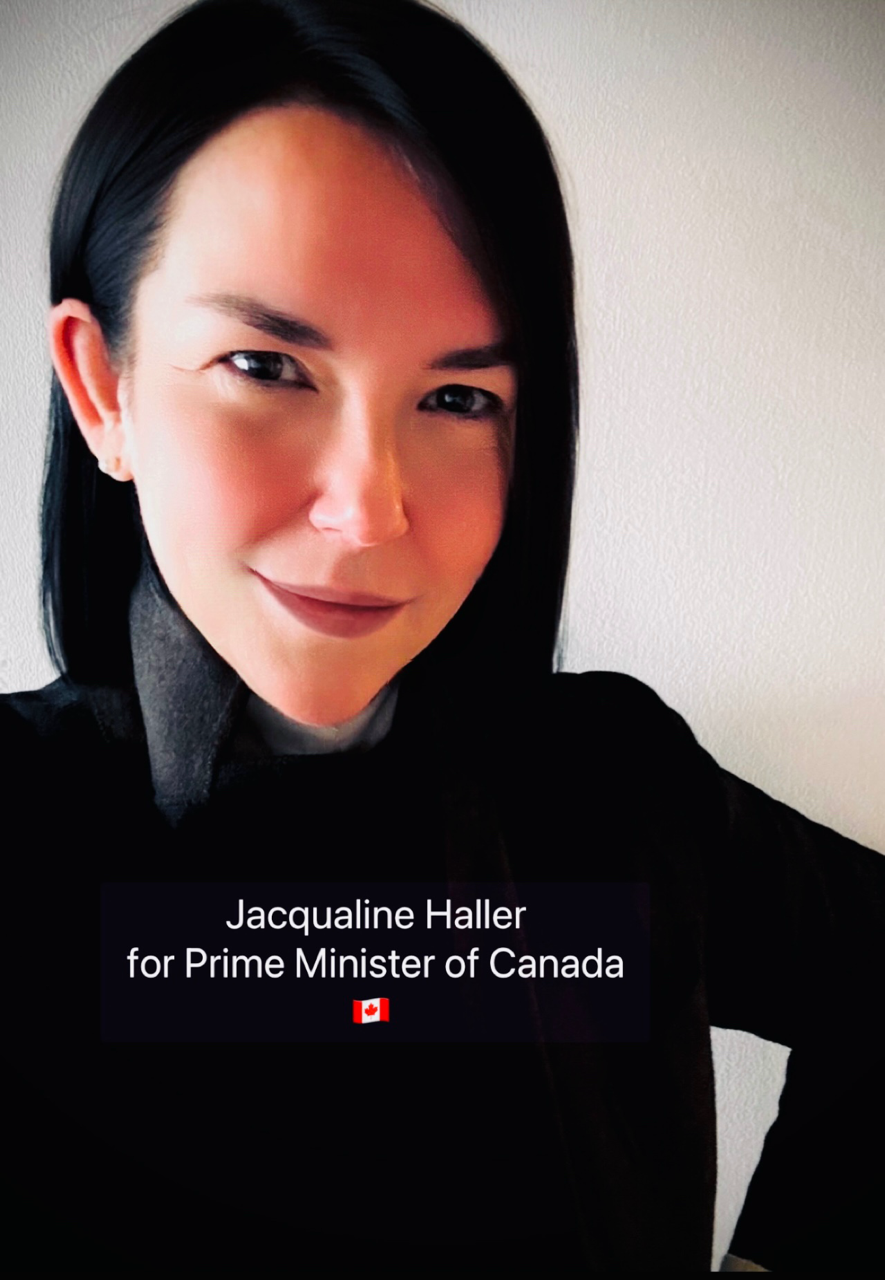
In November 2023, I publicly announced my intention to seek the Office of Prime Minister of Canada as an independent candidate in the federal election, then scheduled for October 2025. From that point forward, I began an active political campaign, publicly presenting my platform, and engaging with Canadians daily.
My expectation was simple: as the campaign developed, Canadian media would report on it and allow Canadians to evaluate my ideas and vision for themselves. Because Canada operates under the Westminster parliamentary system, inherited from the UK, an independent candidate for Prime Minister would raise important questions about democratic participation and electoral reform. By announcing my intentions nearly 2-years before the scheduled election, Canadians would have had ample time to consider and debate these issues.
Despite extensive efforts to attract attention to the campaign, including directly contacting media organizations, engaging publicly, and through social media, I received no coverage from either mainstream or Indigenous media outlets. Regardless, I continued to campaign.
During the summer of 2024, my candidacy and campaign information was sent to all major Canadian and Indigenous media organizations across the country. No responses were received.
In September 2024, I contacted Elections Canada. I explained that I had publicly declared my intention to seek the Prime Ministership as an independent candidate and wished to ensure compliance with all applicable legal requirements, particularly given the possibility of an early election potentially being call. I stated that I met the constitutional qualifications to serve as Prime Minister and asked what process existed for an independent candidate seeking recognition outside the structure of a registered political party.
In response, I was informed that Prime Ministers emerge through the political party system, and was provided information regarding membership to a political party.
Following this exchange, I attempted on 3-occasions to contact the Governor General of Canada by email. I outlined my campaign, explained the issues involved, and requested a meeting.
No response was received.
Shortly thereafter, an early federal election was called by the new Prime Minister Mark Carney, who had recently succeeded Justin Trudeau following his resignation.
Following the election call, members of my support team telephoned the Governor General’s Office to convey the urgency of the matter and the significance of a campaign that had already been underway for well over a year. The call was transferred to the Governor General’s executive office, where several messages were left.
No response was received.
With the new election date rapidly approaching, I travelled to Ottawa and attempted to request a meeting in-person. The Commissioners working that day advised that any meeting would need to be arranged in advance. Although the circumstances and prior attempts to establish communication were explained, no accommodation was made. I then spoke with Ottawa police officers who were present and nearby for another event. They advised me they were not able to assist, and to continue attempting to contact her.
As the election date approached and no response had been obtained from the relevant institutions, I concluded that pursuing legal avenues was my only remaining option.
In April 2025, I contacted the Supreme Court of Canada and explained the situation. I was advised that the matter would first need to proceed through the Federal Court system, and to bring it to the Supreme Court of Canada if there was no appropriate resolve at that level.
An early federal election proceeded in May 2025, and the Liberal Party won again.
In June 2025, I commenced legal action against the Crown in the Federal Court, arguing that Canadians have the right to directly choose their own Prime Minister. The claim was dismissed. I subsequently appealed to the Federal Court of Appeal, where the matter was again dismissed. These proceedings took 6-months.
In January 2026, I brought this matter before the Supreme Court of Canada. On August 6, 2026, after approximately 7-months, the Court dismissed the application. No written reasons accompanied the decision.
At the heart of my effort has been a question that extends beyond one individual, one campaign, or one court case: who should ultimately determine the leadership of Canada? Canadians, or political parties.
Throughout this process, I have maintained that Canadians deserve the fullest possible opportunity to hear alternative political voices, assess competing visions for the country, and make informed democratic choices. The principles of free expression, open political discourse, and democratic accountability exist to serve the public and to ensure that power remains rooted in the consent of the governed.
While my legal efforts have not achieved the outcome I sought, the broader conversation about electoral reform, democratic participation, and the rights of Canadians to shape their political future remains unresolved. For that reason, I continue to believe these issues deserve public discussion, scrutiny, and debate.
Democracy is strengthened when ideas are openly contested, when institutions remain accountable, and when citizens are free to decide for themselves what kind of future they want for their country. That principle remains at the centre of my efforts, and it is why this conversation continues.
Jacqualine Haller 🇨🇦
#hallerforprimeminister #electoralreform #trending